

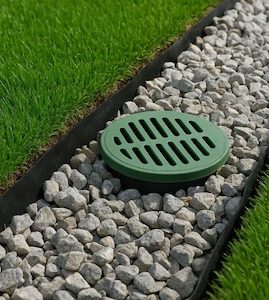
- A French drain is a gravel-filled trench with a perforated pipe that redirects unwanted water away from problem areas.
- Different types of French drains solve unique drainage issues around your property.
- Recognizing signs like pooling water, basement leaks, or soil erosion helps you choose and install the right drainage solution before damage occurs.
Excess water can quietly wreak havoc on a property. From soggy lawns to foundation damage, improper drainage leads to costly and frustrating problems over time. One of the most effective solutions homeowners turn to is the French drain. This is a system designed to redirect water away from problem areas, but not all French drains are the same. The best type of French drain for your property depends on where the water is collecting and what structures you need to protect. Understanding how each type functions can help you make an informed decision and safeguard your home against moisture damage.
What is a French Drain?
A French drain is a sloped trench filled with gravel and a perforated pipe that channels water away from saturated areas. The concept is simple but powerful. Instead of letting water pool or seep into unwanted places, the system captures it and carries it to a safer discharge point, such as a storm drain or dry well. French drains use gravity to their advantage, creating a low-resistance path for water to travel. Properly installed, they can prevent erosion, foundation cracks, and flooding. They are also discreet, typically hidden beneath soil or landscaping, making them both functional and visually unobtrusive.
Types of French Drains
Choosing the right French drain begins with understanding your property’s unique drainage challenges. Whether you are dealing with yard flooding, basement leaks, or erosion, there is a specific system designed to solve that problem. A standard trench drain is perfect for general surface water management, while a perimeter or interior drain offers protection where it matters most. Landscape drains, on the other hand, keep your gardens vibrant and free from excess moisture. French drain installation experts will be able to tell you which one is best for your property.
Standard / Trench Drain
The most common type of French drain, often called a standard or trench drain, is typically installed in open yard areas where surface water tends to accumulate. This version involves digging a narrow trench, lining it with filter fabric, laying a perforated pipe, and covering it with gravel. The trench is slightly sloped so water naturally flows away from the problem spot. Standard French drains are ideal for lawns that collect puddles after rain or areas where runoff from higher ground pools near patios or walkways. They help redirect that water efficiently without disrupting the landscape’s appearance. When done correctly, these drains blend into the ground, leaving no visible signs other than improved drainage.
Perimeter / Foundation Drain
The perimeter or foundation French drain serves a more protective role. Installed along the exterior foundation walls of a home, it prevents groundwater from pressing against the structure and causing foundation damage. This type of drain is typically part of the original construction for homes in moisture-prone areas. The drain collects water at the foundation’s base and channels it away to prevent hydrostatic pressure buildup. Without this protection, water can seep through cracks or porous materials, eventually leading to structural issues or basement leaks. A properly installed perimeter drain acts as a shield, keeping your foundation dry and stable year-round.
Basement / Interior Drain
Basement or interior French drains are installed inside the home, along the perimeter of the basement floor. They are designed to intercept water that has already entered or is seeping through the foundation before it floods the interior space. This system typically involves cutting a small channel in the concrete slab around the basement’s edges, placing a perforated pipe, and connecting it to a sump pump. The pump then pushes the water away from the house to a safe discharge area. Interior drains are particularly useful in homes where exterior access for waterproofing is limited. For basements that regularly experience dampness or standing water after heavy rain, an interior French drain can be the difference between a dry, usable space and a constant battle against mold and moisture.
Landscape Drain
A landscape French drain is tailored to maintain both the beauty and health of your outdoor spaces. Gardens, flowerbeds, and decorative landscaping can all suffer from poor drainage. Excess water not only drowns plants but can also cause soil compaction, root rot, and erosion. Installing a French drain beneath the affected area allows water to drain evenly and prevent these issues. Landscape drains are often shallower than other types and can be customized to fit the garden’s layout. They are particularly useful for properties with heavy clay soil that retains water. By managing moisture below the surface, a landscape drain helps plants thrive and keeps garden designs looking their best.
Signs You Might Need a French Drain
Not every drainage issue is immediately obvious, but there are telltale signs that indicate when a French drain might be necessary. One of the most common clues is frequent puddles in your yard that linger long after a storm has passed. If the ground stays soggy and never seems to dry, it suggests poor soil absorption or grading problems that a French drain can correct. Water seeping into your basement is another red flag, especially if you notice damp walls, a musty odor, or visible leaks after rain. Erosion around your property, such as exposed roots or uneven patches of soil, points to uncontrolled runoff. Constantly wet soil around your foundation or garden areas is a sign that water is not being directed where it should. Recognizing these symptoms early can prevent more serious damage down the road.
Different Types of French Drains By Rain Guard Inc.
If you notice standing water or dampness around your property, don’t wait for the problem to escalate. A professional rainwater drainage assessment can determine the best type of French drain for your needs and ensure proper installation. With the right system in place, you can protect your investment, enhance your landscape, and enjoy peace of mind knowing your home is safe from the hidden dangers of water damage.
If you have faqs about French drains, our experts have the answers! We also specialize in other types of underground drainage systems, as well as seamless gutters, commercial gutters, leaf filters, gutter guards, and more. In order to keep your guttering system feeling like brand new gutters, consider opting for our gutter maintenance services. We look forward to helping you achieve the rain water management system you need.
Contact Rain Guard Inc
We have 3 offices across the Oklahoma City metro area to best serve you.
OKC Office
Edmond Office
Norman Office