

- Learn how to inspect, clean, and prepare your French drain to prevent winter clogs, freezing, and flooding.
- Maintaining house gutters ensures smooth water flow and protects your foundation from ice and moisture damage.
- Avoid common winter drainage mistakes and follow our expert tips to keep your property erosion-free all season.
Winter weather can be particularly harsh on drainage systems because of the combined effects of snow, ice, and heavy rain. When snow begins to melt or rainwater cannot drain properly, it tends to collect around the base of a home. That standing water can seep into small cracks in your foundation and once temperatures drop below freezing, the water expands and causes those cracks to widen. Over time, this repeated cycle can lead to foundation damage or basement flooding. Poor drainage also contributes to soil erosion around your home. When the ground freezes, water cannot soak into the soil as easily. This creates runoff that can wash away topsoil or flood low-lying areas in your yard. Even your landscaping can suffer since frozen or saturated soil prevents plants from absorbing oxygen and nutrients. Preparing your French drain and house gutters before the first freeze is the best way to keep these problems from developing.
Preparing French Drains for Winter
Before winter arrives, take time to inspect your French drain to make sure it is in good condition. Start by checking for clogs. Then confirm that the system has the correct slope. Lastly, if your french drain is above the frost line, pay extra attention. Addressing these issues before the ground freezes is critical because repairs are much harder to complete once winter begins.
1. Clear Debris And Sediment
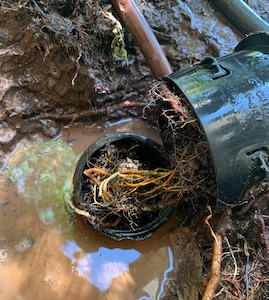
Over the course of the year, dirt, small rocks, and leaves can accumulate inside the french drain pipe. If water begins to pool or drain slowly after a rainstorm, this may be a sign of blockage. Use a hose or plumbing snake to flush out any dirt or organic matter inside the pipe. Make sure the drain outlet is clear so that water can exit freely.
2. Check For Proper Slope
The french drain should have a gentle downward angle, typically about one inch for every eight to ten feet, to allow gravity to do the work. Re-grade any areas that have settled. If your drain appears flat or uneven, water may back up instead of flowing out.
3. Protect Against Freezing
In extremely cold climates, you can insulate exposed parts of your French drain or cover the trench with straw, mulch, or landscape fabric to help retain heat. Most underground portions won’t freeze if they’re installed below the frost line, but surface components may need extra attention.
Preparing House Gutters For Winter
Your house gutters play just as critical a role in your home’s winter drainage system. Gutters collect roof runoff and channel it away from your home. However, when they’re clogged with leaves and debris, they can cause serious water management problems. Healthy gutters mean your French drain won’t be overwhelmed by excess water. The two systems work hand in hand to protect your home from moisture damage. Here’s how to prepare your gutters for winter:
1. Clean Gutters And Downspouts
Remove leaves, twigs, and dirt before temperatures drop. If water freezes inside clogged gutters, it can form heavy ice dams that pull gutters away from the roof or cause leaks inside your home.
2. Inspect For Leaks Or Sagging
Tighten any loose brackets and seal small leaks with gutter sealant. Make sure downspouts are securely attached and direct water away from your foundation.
3.Consider Gutter Guards
The importance of gutter guards or screens is that they can help prevent future clogs from leaves or debris, especially useful if your home is surrounded by trees.
4. Extend Downspouts
Use gutter extensions to channel water at least 4–6 feet away from your home. If your French drain system connects to your gutters, double-check that the connection is secure and free from blockages. Having the right type of downspout extensions will help keep your drainage systems functioning.
Common Mistakes to Avoid When Preparing French Drains for Winter
Homeowners often make a few common mistakes when winterizing drainage systems. One of the biggest errors is ignoring minor clogs, which can quickly turn into major blockages once temperatures drop. Another frequent mistake is leaving leaves or debris in gutters, which can trap water and cause ice buildup. Improper slope adjustments during maintenance can also limit the effectiveness of your French drain. Finally, some homeowners forget to check the outlet area of their drain, allowing snow piles or mulch to block water from escaping. Avoiding these mistakes will keep your drainage system running smoothly all season long.
Prepare French Drains and House Gutters For Winter With Rain Guard Inc.
Preparing your drainage system for winter is one of the best investments you can make in protecting your home. By carefully inspecting your French drain, cleaning and maintaining your house gutters, and taking a few preventive steps, you can avoid many common winter drainage problems. When snow and ice begin to melt, you will have peace of mind knowing that water is flowing where it should be.
If you have faqs about French drains, our experts have the answers! We also specialize in other types of underground drainage systems, as well as seamless gutters, commercial gutters, leaf filters, gutter guards, and more. In order to keep your guttering system feeling like brand new gutters, consider opting for our gutter maintenance services. We look forward to helping you achieve the services you need to prepare your drainage systems for winter.
Contact Rain Guard Inc
We have 3 offices across the Oklahoma City metro area to best serve you.
OKC Office
Edmond Office
Norman Office